
Mankind has a long and rich history in construction and engineering. From the earliest primitive tools of the New Stone Age to today’s GPS-guided autonomous machines, the evolution of heavy construction equipment is a story of human ingenuity — and it’s one that directly shapes the world we live in.
The basic functions of cutting, scraping, and pounding were among the first discovered. Through the Copper and Bronze Ages, the wheel was introduced, allowing construction to advance dramatically. Tools became more precise and durable during the Iron Age, and it is widely believed that the ancient Egyptians were among the first to use rollers and sledges to move massive stone blocks.
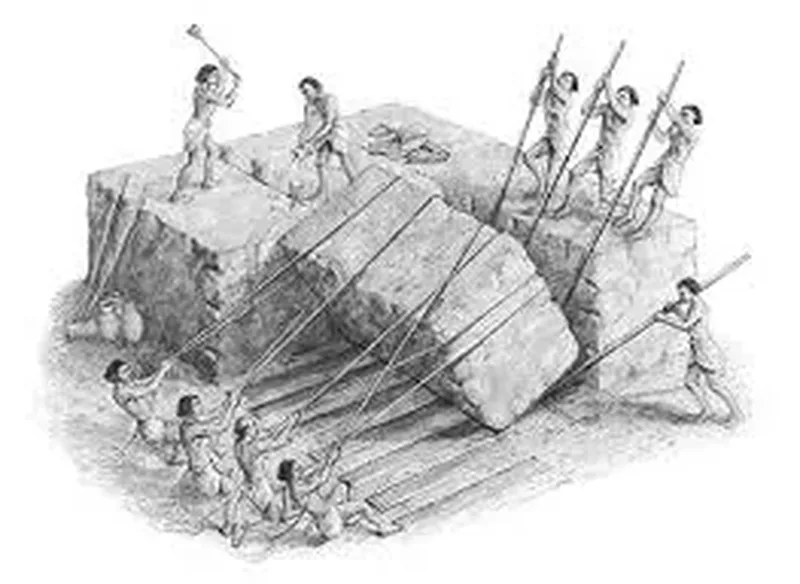
For anyone wondering what exactly qualifies as “heavy equipment,” the category includes 16 essential vehicle types:
- Excavator
- Backhoe
- Dragline Excavator
- Bulldozer
- Grader
- Wheel Tractor Scraper
- Trencher
- Loader
- Tower Crane
- Paver
- Compactor
- Telehandler
- Feller Buncher
- Dump Truck
- Pile Boring Machine
- Pile Driving Machine
Though people rarely stop to think about how indispensable heavy equipment was in building the homes they live in, offices they work in, and roads they drive on — this industry is larger than any single manufacturing segment of the US economy. And the story of its evolution is quite fascinating.
Let’s begin at the beginning…
⚙️ Late 1800s — The Industrial Revolution Sparks It All
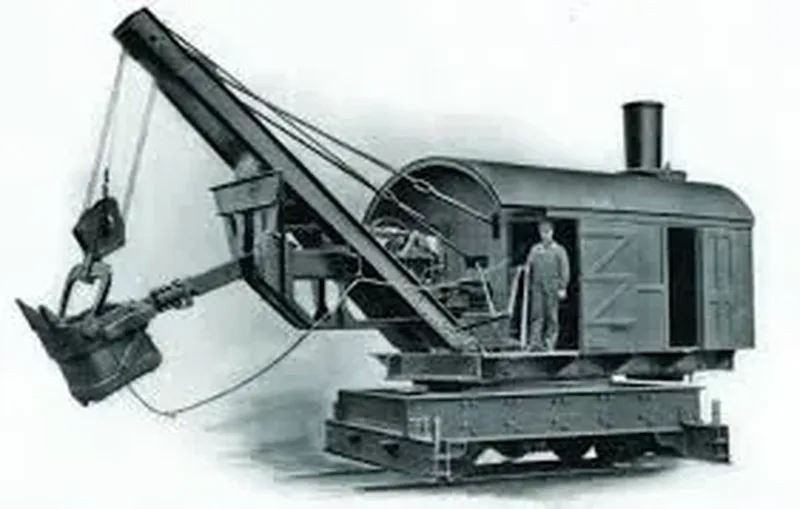
The Second Industrial Revolution in the United States ramped up the use of machines across the country, most notably in agriculture. In 1886, Benjamin Holt created his first combine harvester, followed by a steam engine tractor four years later in 1890. Not to be outdone, John Froelich invented the gas-powered tractor in 1892. These inventions would pave the way for what we know today as heavy equipment.
🏗️ Early 1900s — The Birth of the Caterpillar Tractor
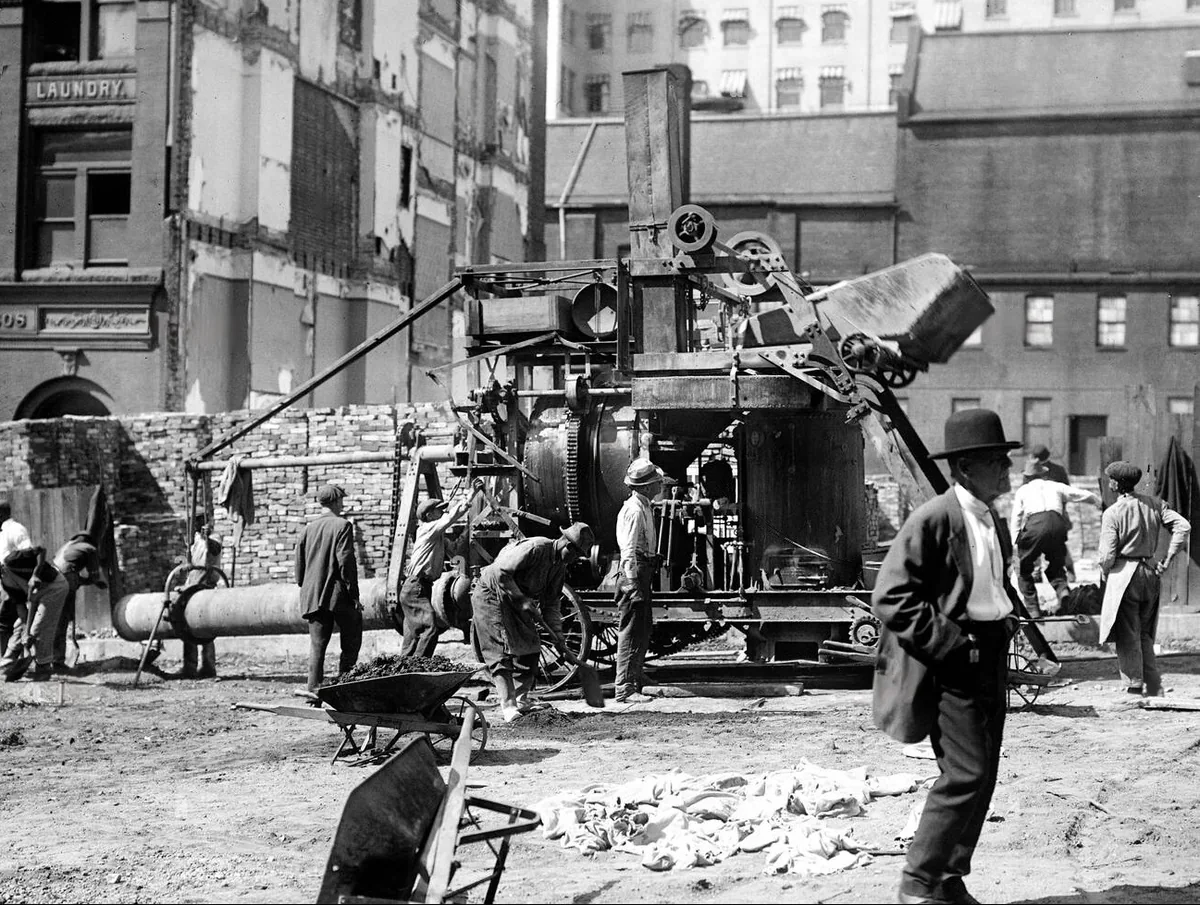
In 1906, Holt ran his gas-powered track-type tractor for the very first time. His “Caterpillar” tractor utilized continuous track technology — first seen on a commercial vehicle in 1901 on a machine called the Lombard Steam Log Hauler. This continuous track tractor would revolutionize not only agricultural equipment but military vehicles as well. The metal track technology was quickly applied to tanks and armored vehicles in World War I and beyond.
🚜 1920s — The Rise of Bucket Wheel Excavators & Bulldozers
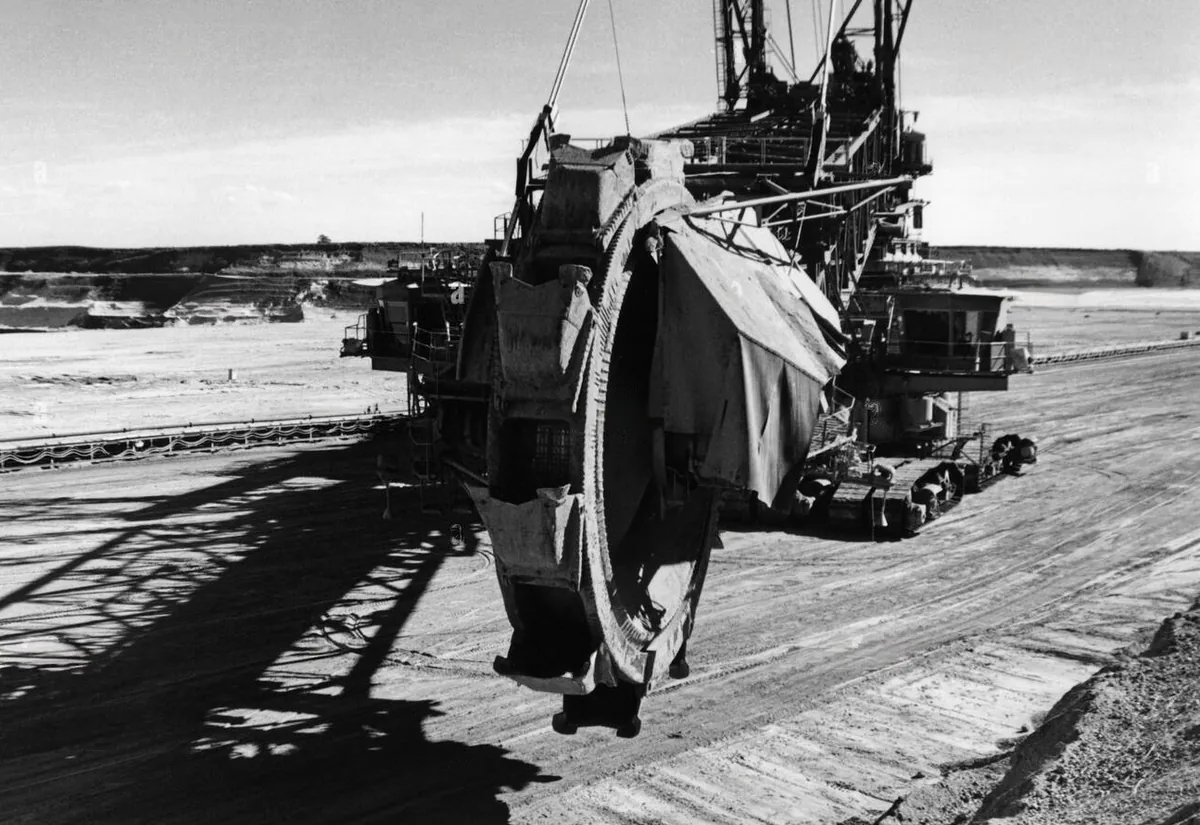
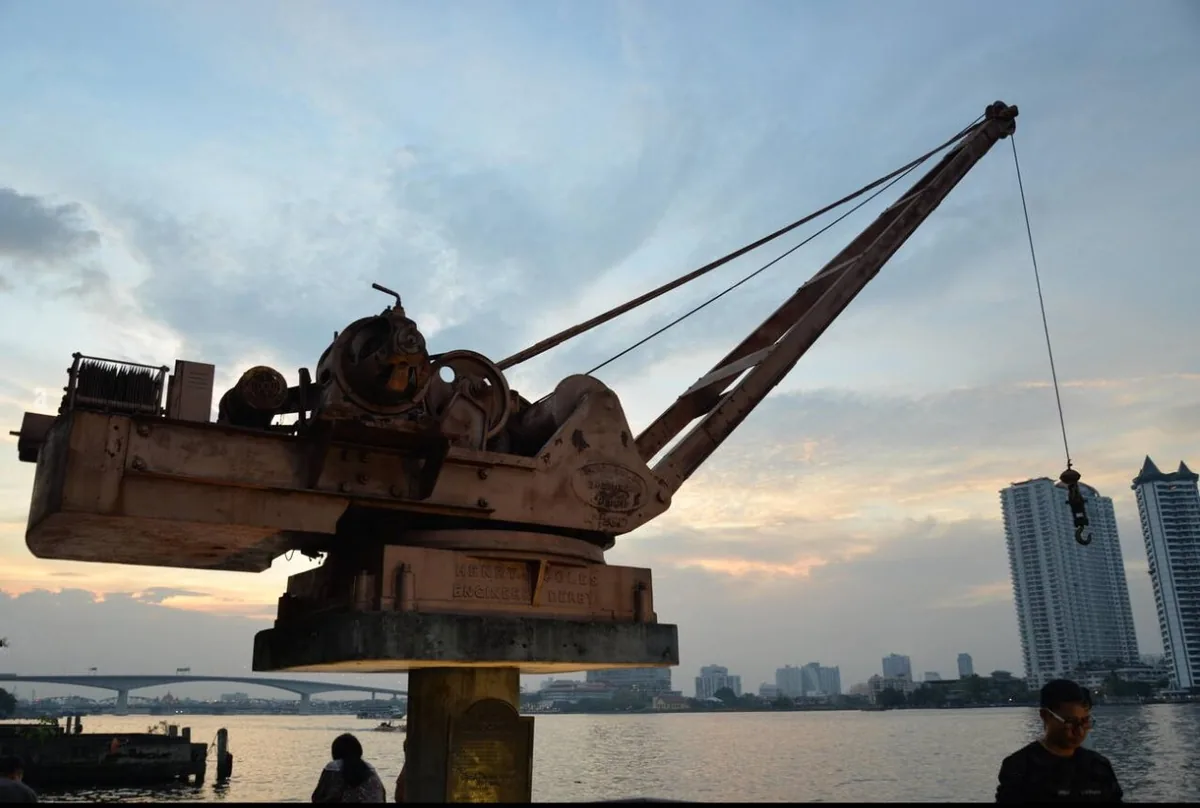
The 1920s marked the advent of bucket wheel excavators — the largest heavy machines ever built, invaluable in mining precious minerals. Heavy machine companies became more commonplace, and established ones began to merge and grow. Holt, for example, later became the powerhouse we know today as Caterpillar.
The 1920s also saw the invention of the bulldozer, which put continuous metal track technology to work in earthmoving — a machine that would become synonymous with construction for generations to come.
📉 1930s — Surviving the Great Depression
Like every other industry, the heavy machinery sector was deeply affected by the Great Depression of the 1930s. Many manufacturers had to resort to selling parts and equipment abroad just to stay afloat. That said, major infrastructure projects still moved forward — landmarks such as the Golden Gate Bridge were erected during this decade, relying heavily on powerful machines to make it possible.
🛣️ 1950s–1970s — The Highway Boom & Suburban Expansion
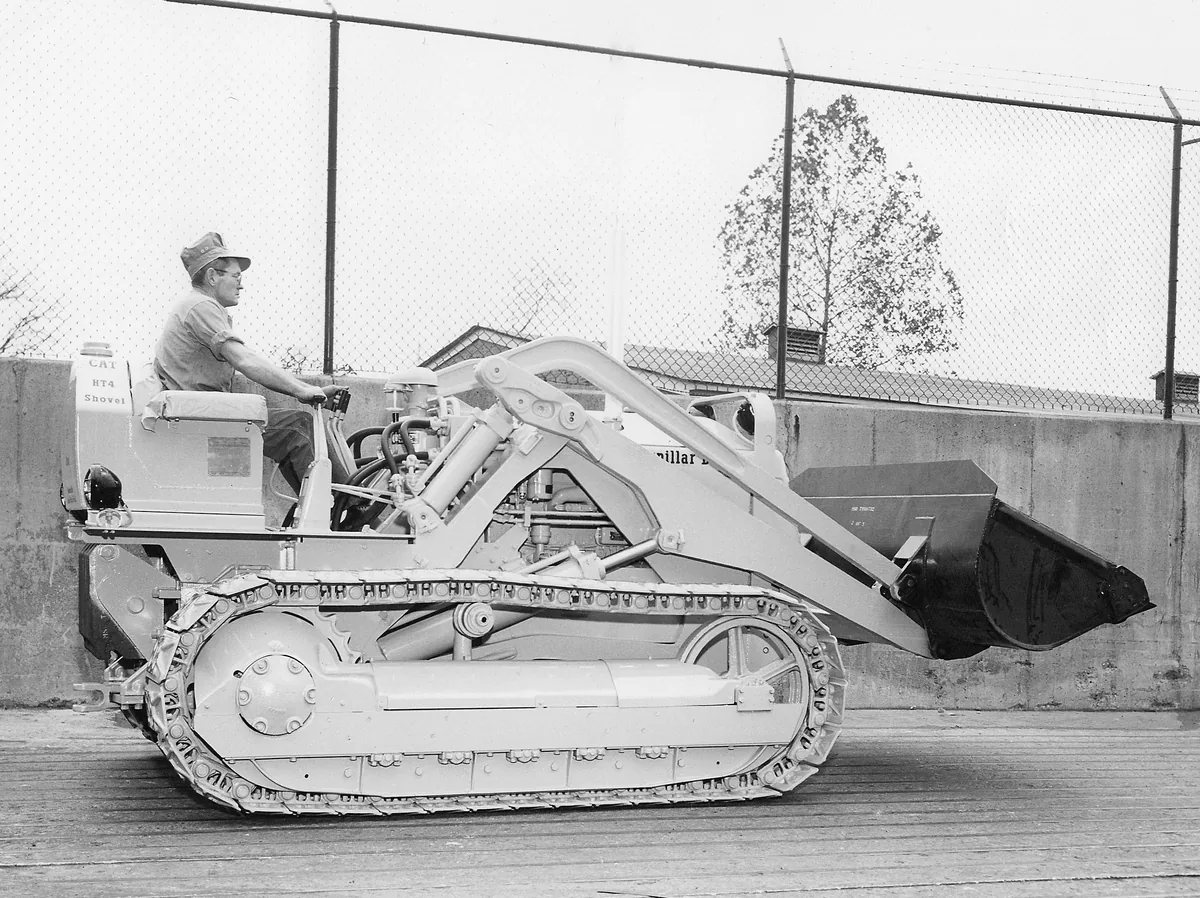
The aftermath of World War II prompted not only a baby boom, but massive suburban residential and commercial expansion. Millions of families left densely populated urban areas to raise children in newly built suburban subdivisions — and heavy machines played a crucial role in building that new world.
The decade also brought one of the most significant pieces of infrastructure legislation in US history: the Federal-Aid Highway Act of 1956, signed into law by President Dwight D. Eisenhower. This law resulted in the construction of the entire interstate highway system as we know it today. Though the bill became law in 1956, the project took 35 years and countless hours of labor to complete.
🏭 1980s — Industry Consolidation & Caterpillar’s Rise
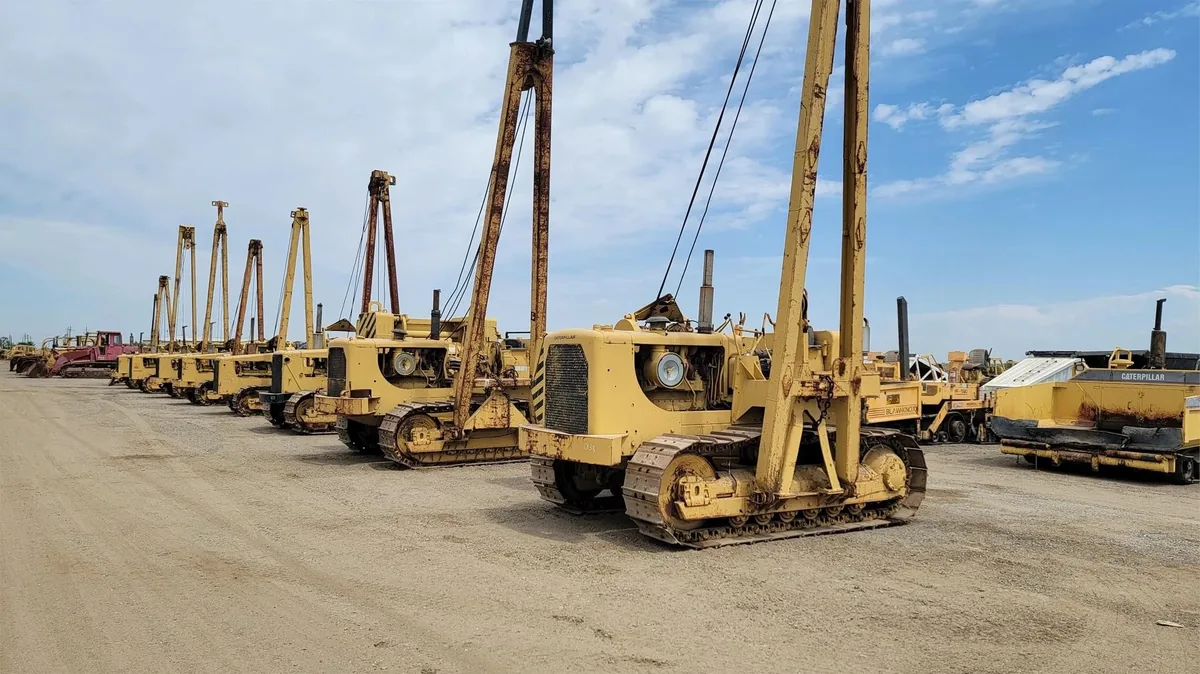
The 1980s were not as kind to the industry as the previous three decades. With work on the interstate highway system largely finished, demand for heavy machines softened considerably. Many equipment companies struggled or closed entirely. It was during this turbulent period that Caterpillar emerged as the dominant heavy equipment company in America — a position it has held ever since.
🌿 1990s — Compact Equipment & Environmental Regulations
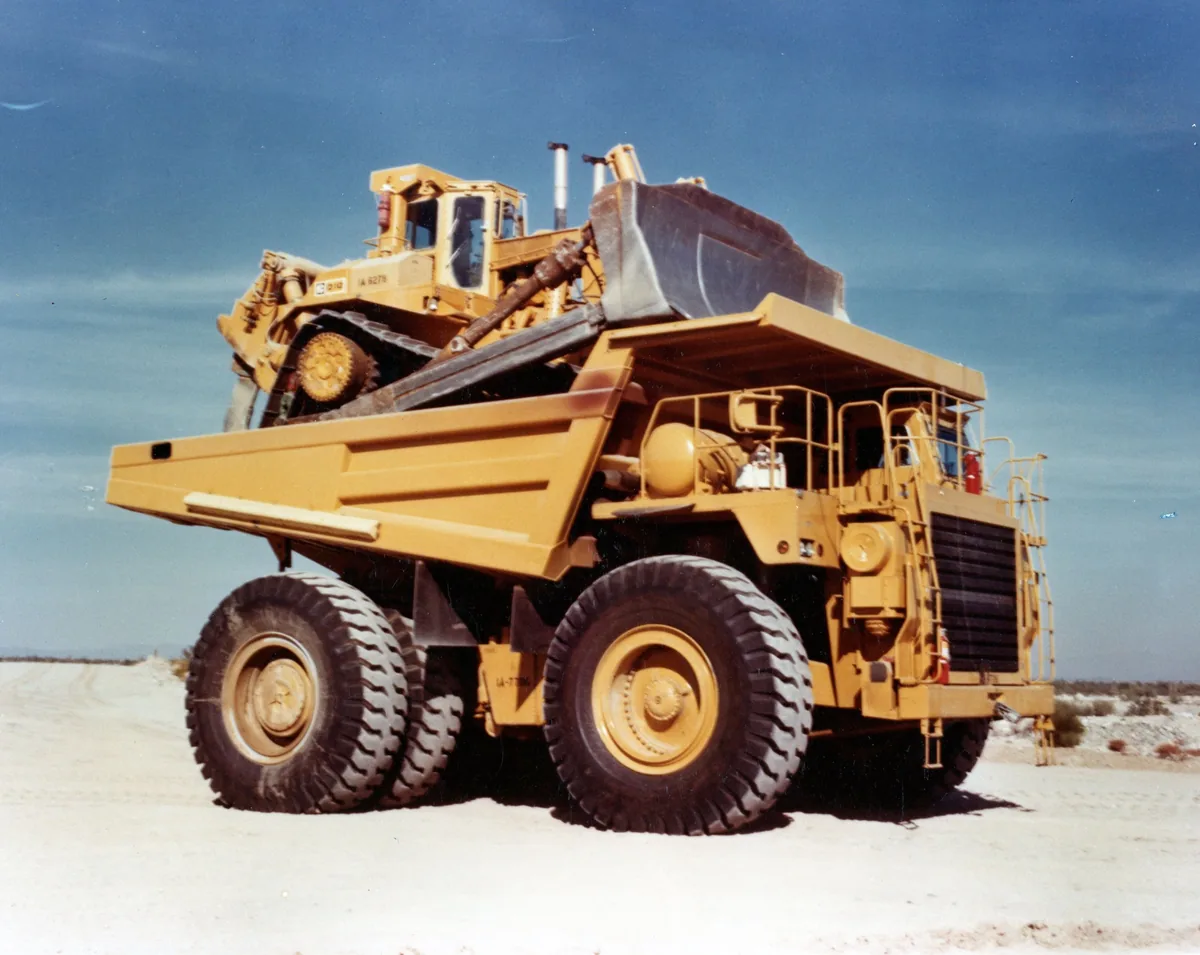
The 1990s saw a surge in demand for more compact heavy equipment. Smaller job sites, urban construction, and tighter project budgets drove manufacturers to innovate in miniaturization. At the same time, new environmental regulations forced heavy machine companies to redesign their engines to curtail carbon emissions — marking the beginning of a greener direction for the industry.
🔧 2000s — The Rental Revolution & EPA Regulations
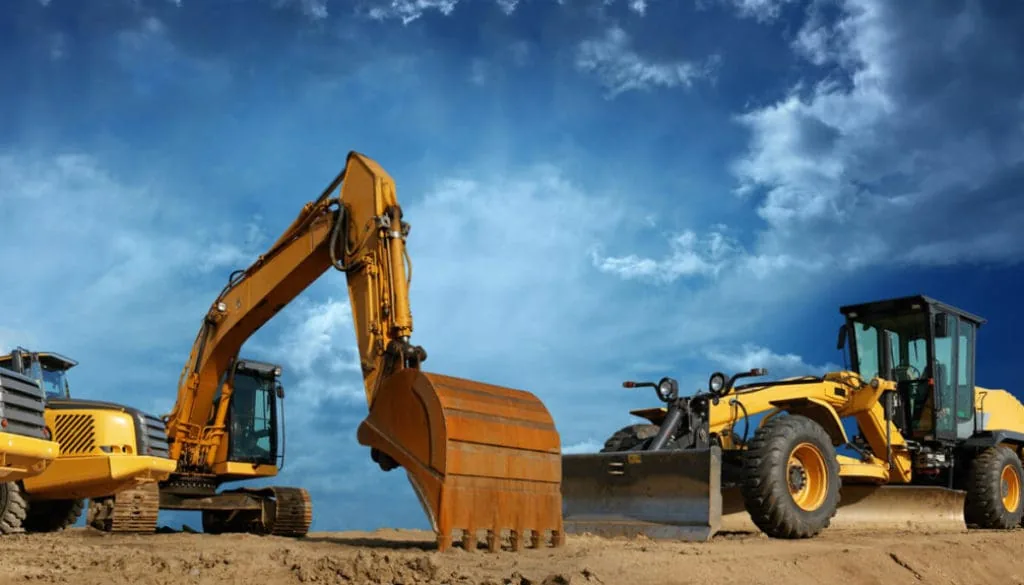
The 2000s brought a fundamental shift in how heavy equipment was consumed. Rising operating costs pushed contractors away from ownership toward rentals. Rental companies demanded durability over cutting-edge features, forcing manufacturers to produce two distinct product lines.
On the regulatory front, the EPA Tier 2 off-road emissions standards took effect between 2001 and 2006, followed by EPA Tier 3 phased in from 2006 to 2008. Environmental compliance became a core engineering challenge for every major manufacturer.
📡 2010s — Telematics, IoT & Autonomous Machinery
With residential and commercial building activity growing steadily, the heavy equipment industry entered a strong growth phase. Manufacturers began advancing in telematics, electromobility, and autonomous machinery. The Internet of Things (IoT) was applied across fleets to ensure better machine uptime, higher lifecycle values, and entirely new customer solutions — from remote diagnostics to predictive maintenance.
According to the Bureau of Labor Statistics, employment of construction equipment operators was projected to increase by 10% through 2024 — a sign of continued robust demand for both the machines and the people who operate them.
🌍 The 21st Century — Electric, Hybrid & the Road Ahead
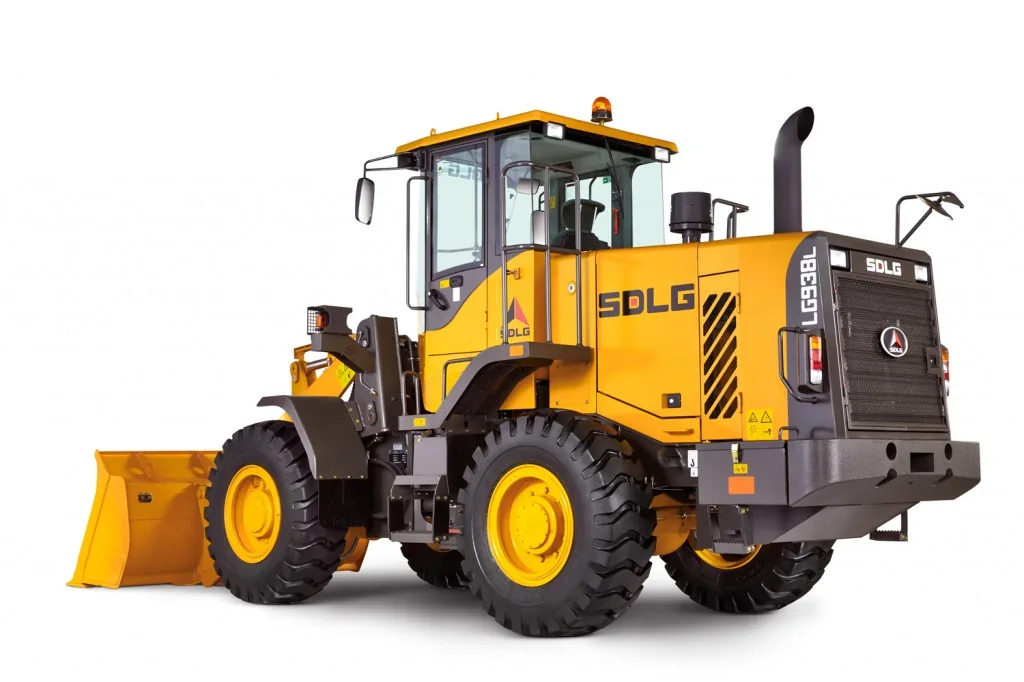
Today, heavy construction equipment sits at an extraordinary intersection of power and technology. GPS-guided graders, AI-assisted excavators, and autonomous haul trucks are no longer science fiction — they’re active products. Sustainability has moved from a regulatory checkbox to a core design principle.
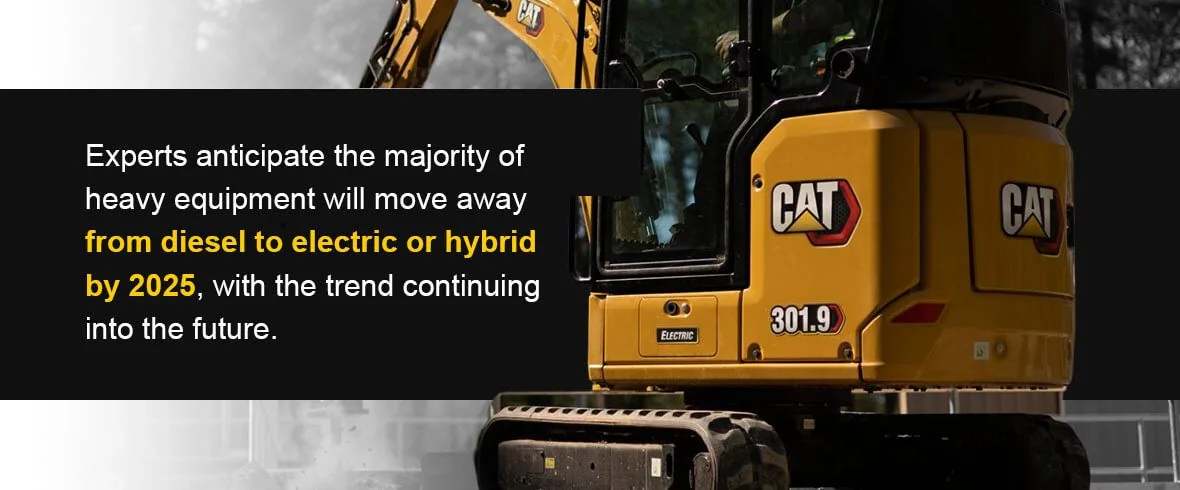
Industry experts anticipate that the majority of heavy equipment will transition from diesel to electric or hybrid powertrains, with that shift accelerating well into the 2030s. For a global industry that helped build civilization itself, the next chapter may be its most transformative yet.
A Legacy Built on Steel and Innovation
From Benjamin Holt’s steam tractor in 1890 to today’s fleet of electric excavators, the history of heavy construction equipment is the history of how humanity transformed the physical world. Every road, bridge, building, and dam carries within it the labor of machines that evolved over more than a century of relentless ingenuity.
🏗️ Need Heavy Equipment for Your Next Project?
Musashi Bangladesh Japan Ltd. (MBJ) supplies, services, and supports a full range of construction and industrial equipment across Bangladesh. Whether you’re looking to purchase, rent, or get expert technical support — our team is ready to help.